How should I prepare for a tattoo appointment?
Show up fed, normally hydrated, rested, sober, and with healthy skin. Wear clothing that gives easy access to the placement, bring the essentials for a long sit, and tell the studio about sunburn, rash, broken skin, illness or relevant health/medication changes before appointment day rather than hoping they will not matter.
Are you actually ready to get tattooed today?
Do not hide damaged skin and hope the artist tattoos over it. Send a photo or description and let the studio decide whether the appointment needs to move.
Now check the things that affect how comfortably and safely you can sit.
Bring ID, payment method, water/snacks if appropriate, and any references the artist asked you to bring.
Do not arrive fasting, dehydrated, exhausted, intoxicated, or wearing clothing that makes the placement impossible to reach.
Do not stop prescribed medication without guidance from the clinician who manages it. Clear numbing products with your artist before using them.
If anything important changed since booking—health, skin, medication, placement or design—say it before tattooing starts.
PREP SHOULD MAKE THE DAY BORING.
You do not need a biohacking ritual. Eat normally, hydrate normally, sleep, protect the skin, wear useful clothing and tell the studio about anything that changed. Good prep makes the appointment uneventful in exactly the right way.
The short version
Arrive like this
- ✓Hydrated for the last 24–48 hours.
Skin usually behaves better when you have been drinking water consistently—not because one giant bottle right before the appointment magically fixes everything. - ✓Fed before the appointment.
A real meal 1–2 hours beforehand is usually much better than trying to white-knuckle a session on coffee and vibes. - ✓Wearing placement-smart clothes.
Loose, dark, comfortable clothing with easy access to the area makes everything less annoying for both you and your artist. - ✓With calm skin.
No fresh sunburn, no skin irritation, and no last-minute DIY shaving with a dull razor right before you come in.
Fed. Hydrated. Not Sunburned.
If you only remember three things, make them those. Most avoidable rough tattoo days start because somebody showed up dehydrated, underfed, over-caffeinated, or with irritated skin.
This guide is practical, not macho.
The goal is not to “tough it out.” The goal is to make the session easier on your body and easier for your artist to work cleanly and efficiently.
Your 48-hour countdown
Drink water normally and consistently. Avoid getting the tattoo area sunburned, scraped, or irritated. If you know the area rubs against work gear or gym equipment, start thinking ahead.
Confirm time, location and clothing. Make sure you know how the tattoo area needs to be accessible. If it is a longer session, buy water or a studio-approved snack now instead of scrambling later.
Have a meal with both carbs and protein, drink water, shower, and show up in clean clothes. Arriving hungry, jittery or exhausted is one of the easiest ways to make the day harder than it needs to be.
ID, payment, layers, headphones if you like them, and anything placement-specific you might need. If you feel ill, faint, feverish or sunburned, say something before the session begins.
Food, hydration and energy
Hydration is not some mystical tattoo hack. It is basic body management. The same goes for food. You are about to sit through a physically stressful appointment. Showing up depleted tends to make the whole experience worse.
What to wear based on placement
The best outfit is the one that gives access to the tattoo area without forcing you to spend hours half-undressed, twisted awkwardly, or fighting your own clothing.
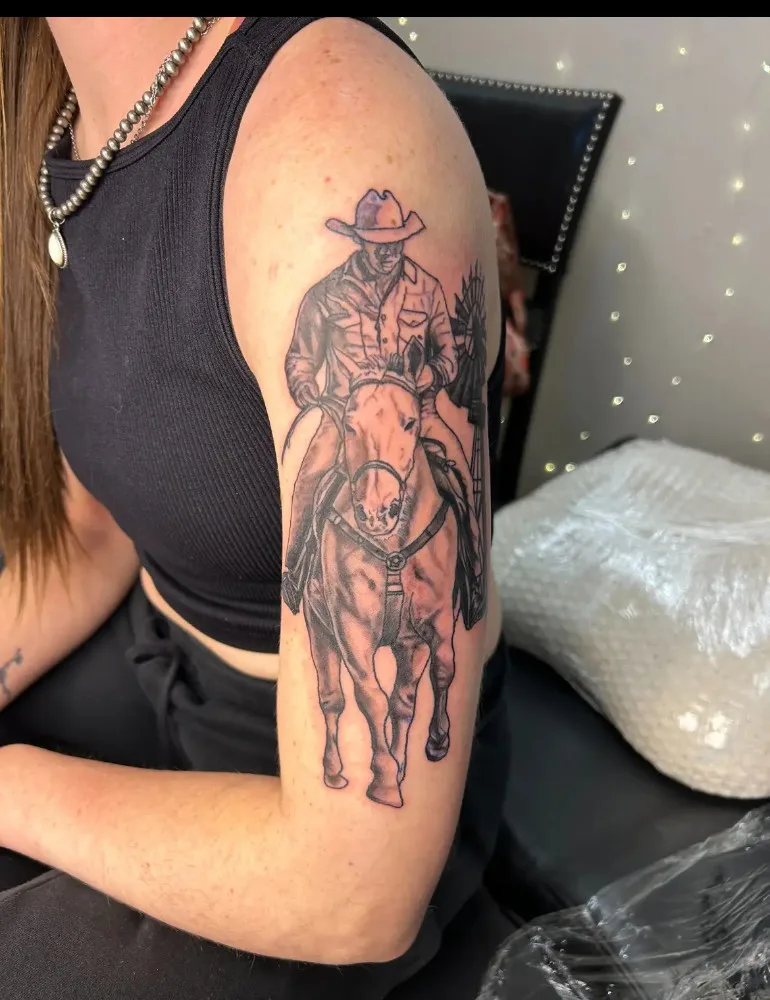
Loose tank, tee or layers
Anything that rolls or drapes out of the way easily is better than tight sleeves you have to fight with all day.
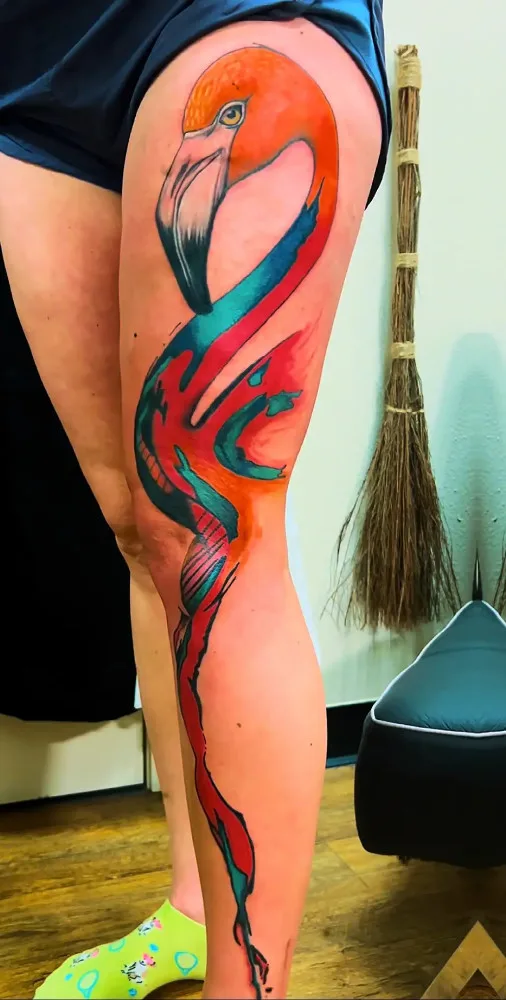
Shorts or very easy-access bottoms
If it is a leg piece, wear something that makes the area immediately accessible and that you are not precious about getting messy.
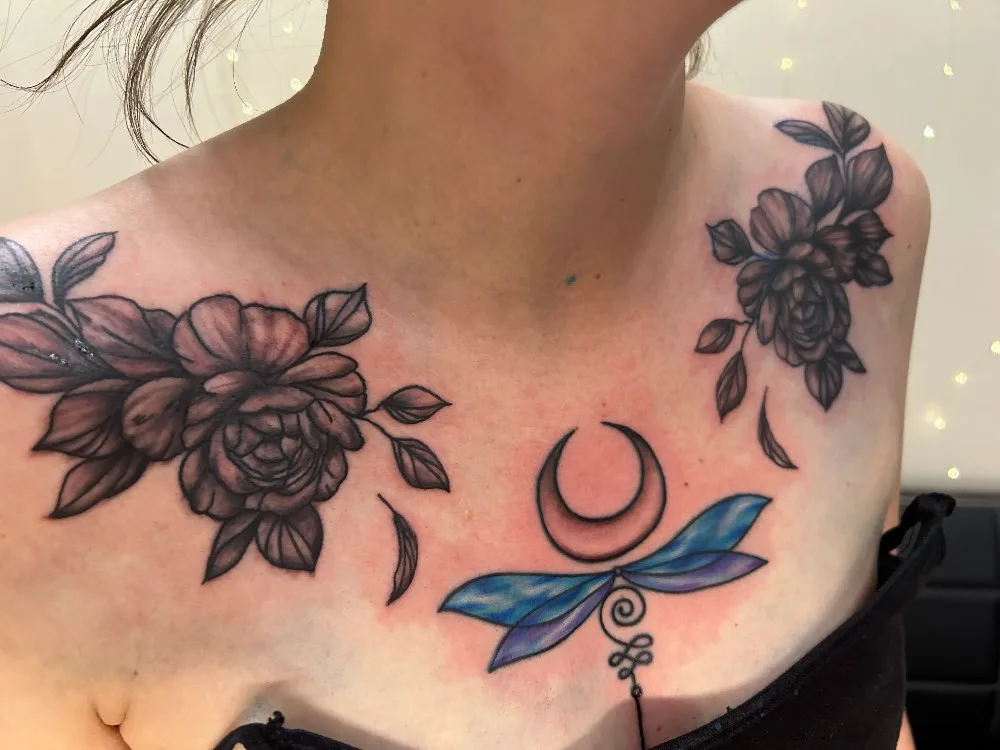
Think practical, not cute
Wear something that allows access while still letting you feel comfortable and secure in the studio. This matters more than trying to arrive in a perfect outfit.
What to avoid
DO
- Sleep decently the night before if you can.
- Eat and hydrate like a functional adult.
- Show up clean and in clean clothing.
- Protect the tattoo area from sun and friction before the appointment.
- Ask ahead if you are unsure about products, creams or logistics.
DON'T
- Show up sunburned.
- Get drunk or arrive hungover.
- Shave the area aggressively at the last second with a bad razor.
- Assume “I never eat breakfast” is a great plan for a long tattoo.
- Start experimenting with numbing creams without clearing them with the artist first.
What should I eat before a tattoo appointment?
Eat a normal balanced meal rather than arriving fasted. You do not need a special tattoo diet. The goal is simply to avoid starting a long appointment hungry and depleted.
Can I drink alcohol before a tattoo?
Do not arrive intoxicated. Alcohol can impair judgment and makes a tattoo appointment a worse environment for informed decisions, communication and sitting comfortably. Follow the studio’s specific pre-appointment policy.
Should I shave the area before a tattoo?
You usually do not need to. If shaving creates razor burn, cuts or irritation, it can create a new problem right before the appointment. Let the artist tell you whether they want the area prepped in advance or prefer to do it at the studio.
Should I stop blood thinners or other prescription medication before a tattoo?
Do not stop a prescribed medication just for a tattoo unless the clinician who manages that medication tells you to. Tell the studio about relevant medication or health changes so the artist can decide whether the appointment should proceed, but medication changes are a medical decision.
Can I get tattooed over sunburn, a rash or broken skin?
Contact the studio before the appointment. Do not assume irritated, injured or actively rashy skin is suitable to tattoo. Send the artist clear information so they can decide whether the appointment needs to be rescheduled.
What should you bring?
For many appointments, you do not need a whole tactical loadout. But a few things can make the day smoother.
- ID and payment: obvious, but worth saying once.
- Water: especially for longer sessions.
- Headphones / podcast / music: if that helps you settle in.
- Layers: studios can feel cold even when you expected to be warm.
- A snack for a longer session: if the studio is okay with it and it makes sense for your body.
Unsure about meds, blood thinners or numbing cream?
That is exactly the kind of thing to ask ahead of time instead of surprising the artist at the appointment. The site should eventually point this guide directly into the studio’s own policy page.
What this prep does for the actual tattoo
Good prep does not guarantee a perfect day. But it does lower the odds of avoidable problems: dizziness, unnecessary discomfort, poor positioning, clothing frustration, irritated skin, and the classic “I feel awful and I can’t figure out why.”
In practical terms, this guide should flow directly into the appointment guide on the site:
Keep the question connected.
BL-INK guides are built as a system. Jump to the next question that actually affects your tattoo.
Tattoo Session Guide
Once you arrive, the next questions are stencil placement, comfort, movement, breaks and studio etiquette.
Read Session Guide →Numbing Creams
If numbing is part of the plan, understand both the studio-policy question and the product-safety question.
Read Numbing Guide →Plan the appointment around your real life.
Placement, work, training and upcoming events are useful information before the date is booked.
Start a Tattoo Project →Skin-health reference
BL-INK’s preparation guidance is studio education. Skin reactions, infection concerns and unusual scarring belong in a medical conversation when needed.
American Academy of Dermatology — Tattoo skin reactions and warning signs