How do tattoos age over time?
They settle, soften and change with living skin. UV exposure, placement, design density, scale and the way the surrounding skin changes all affect how a tattoo reads years later. Fine detail is not automatically doomed, and friction does not “push ink out,” but high-wear placements and dense micro-detail leave less room for visual change.
What will matter most for this tattoo long term?
Choose scale and structure that can tolerate visual settling, and understand that touch-up needs may differ from a protected upper arm or thigh.
Protected placement helps, but ultra-tight detail and low contrast still have less room to soften gracefully over time.
More scale, clearer value structure and intentional negative space can preserve readability better than simply squeezing the reference smaller.
Once fully healed, consistent sun protection and normal skin care matter more than gimmick products marketed as “tattoo preservers.”
DESIGN FOR YEARS, NOT DAY ONE.
Sun protection matters, but long-term readability begins earlier: appropriate scale, useful negative space, clear value structure and a placement that matches the design. The best longevity plan is built into the tattoo before the first line goes in.
The three forces that change tattoos over time
No tattoo stays frozen forever. That does not mean tattoos “go bad.” It means skin is a living surface and the image inside it will evolve as your body does.
Sunlight is one of the biggest long-term enemies of visible crispness and color intensity. Repeated UV exposure can make healed work look duller or softer faster than it otherwise would.
Hands, fingers, feet and areas under repeated abrasion or equipment can be harder tattoo real estate. The issue is not friction physically pushing dermal pigment out; it is that some placements live through more surface wear, irritation, sun and repeat trauma than others.
Micro-detail, ultra-tight spacing and whisper-thin linework usually have less room to remain distinct over many years than work with stronger contrast and more breathing room.
Tattoos settle because skin is alive.
That is the useful mindset. Pigment does not sit on top of your body like a sticker. The tattoo lives inside the skin, and you view it through living tissue that constantly regenerates and changes. Over time, edges soften, tiny details become less tiny, and the overall image usually becomes slightly more settled than it looked fresh.
Settling is not failure.
A well-designed tattoo anticipates that reality instead of pretending it can be ignored.
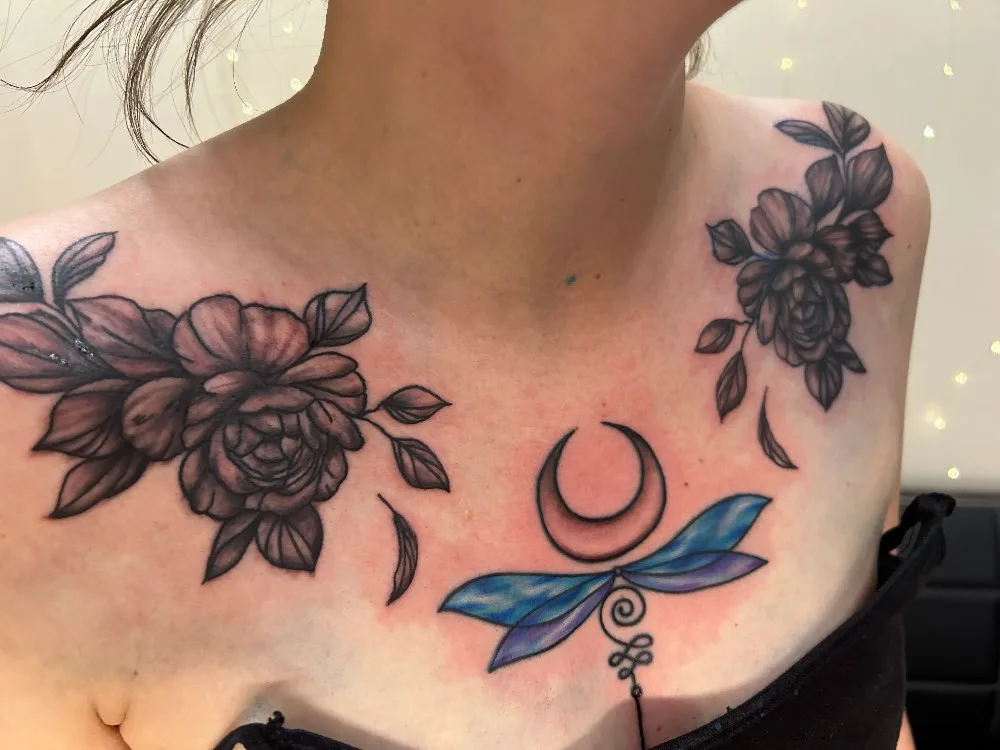
High-friction drop zones
Some placements simply take more abuse from daily life than others. That does not automatically make them bad choices, but it does mean expectations should be realistic.
Harder-wearing zones
- Palms and sides of fingers
- Sides of feet and heel-adjacent areas
- Inner waistband zones that get constant clothing friction
- Any spot repeatedly rubbed by equipment, belts or footwear
Generally easier zones
- Outer upper arms
- Most thigh placements
- Large calf areas with lower daily abrasion
- Broader torso zones that allow scale and breathing room
Fine line vs bold traditional settling
This is where people often need the most honest guidance. Smaller is not automatically more elegant, and finer is not automatically more durable.
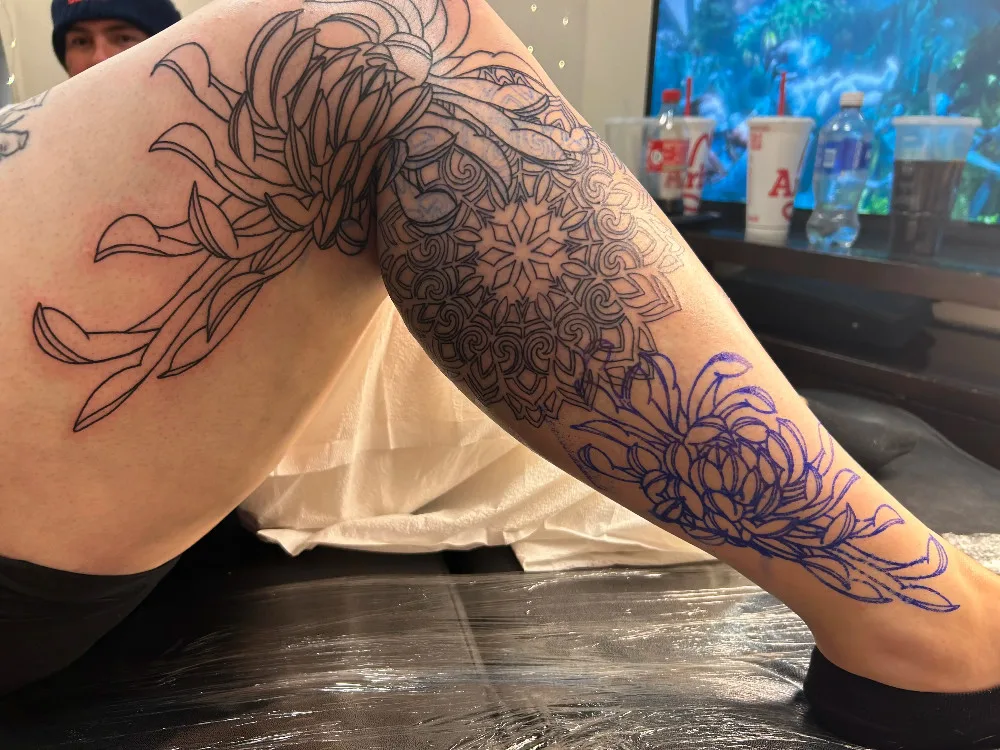
Fine line / micro-detail
- Can look very refined when designed intelligently.
- Usually needs real breathing room if you want it to remain readable years later.
- Extremely tiny detail stacks can merge visually faster over time.
- Works best when the artist designs for longevity instead of packing in everything possible.
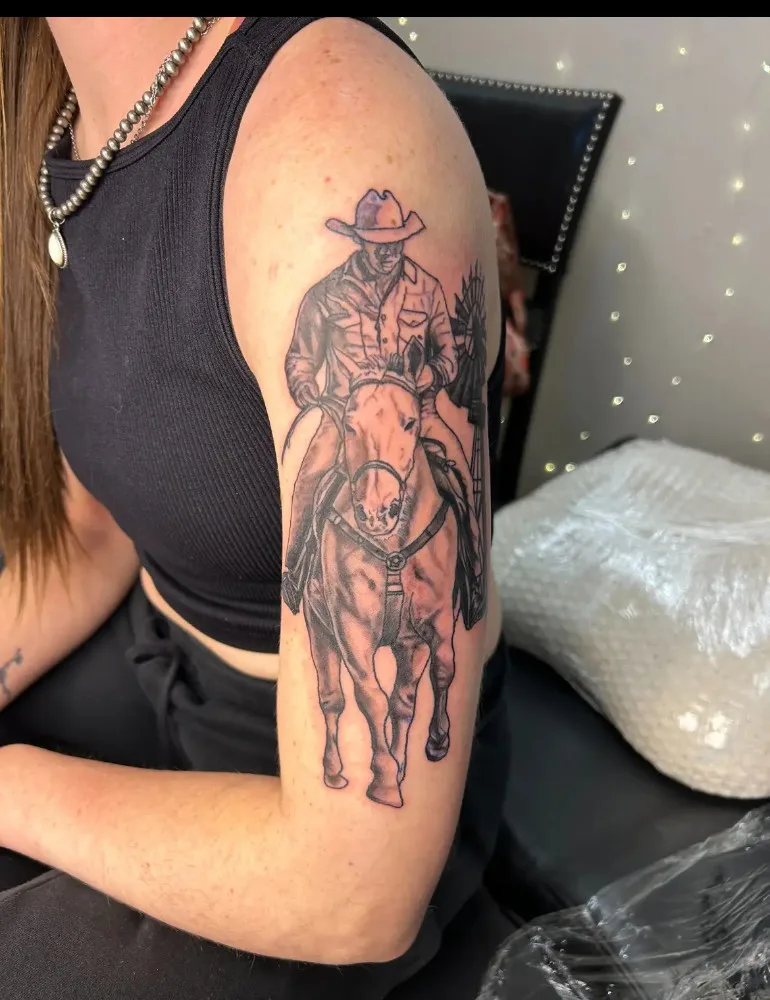
Bold structure / stronger contrast
- Usually gives the eye clearer shapes to read from farther away and over longer periods.
- Often ages more legibly than extremely tiny low-contrast detailing.
- Does not have to mean “traditional style only”—it can simply mean smarter hierarchy and bolder anchors.
What changes over time?
Do tattoos fade in the sun?
UV exposure is one of the most avoidable long-term stressors on tattooed skin. Once the tattoo is fully healed, use the same evidence-based sun protection recommended for skin generally: broad-spectrum, water-resistant SPF 30 or higher, plus clothing and shade when appropriate.
How do fine line tattoos age?
Fine line does not automatically mean “bad aging,” but tiny detail has less margin for change. Scale, spacing, contrast, placement and the artist’s design choices matter more than the label “fine line.”
Why do hand, finger and foot tattoos often need different expectations?
Those placements live through frequent washing, exposure, movement and surface wear. They can still be tattooed beautifully, but the same tiny design can behave differently there than on a protected upper arm or thigh.
What sunscreen should I use on a healed tattoo?
Use a broad-spectrum, water-resistant sunscreen with SPF 30 or higher. There is no special requirement that a “tattoo sunscreen” be mineral or branded for tattoos. Choose a formula your healed skin tolerates and use it correctly.
Daily maintenance: how to help a tattoo age better
Use SPF 30+ on healed exposed skin
For healed skin, choose broad-spectrum, water-resistant sunscreen with SPF 30 or higher and reapply as directed when outdoors. Sun protection matters for the skin first—and it also helps reduce unnecessary UV exposure over the tattoo.
Keep the skin in good condition
Regular moisturizing and basic skin care help the tattoo sit in healthier-looking skin. You are caring for the canvas, not just the ink.
Keep skincare normal, not aggressive
Once fully healed, normal gentle skincare is fine. Exfoliation does not preserve tattoo pigment and is not required for longevity; avoid treating scrubs or acids like a tattoo-maintenance hack.
Reduce avoidable friction
If your tattoo constantly lives under belts, straps, equipment or abrasive workwear, that matters. Long-term wear is not just about sunshine.
Fresh color is not the same thing as healed color.
And healed color is not the same thing as decade-later color. Setting expectations around that difference makes the tattoo experience better from the start.
When does aging become a touch-up or rework question?
Small isolated gaps or light spots can be touch-up territory. Broader contrast loss, structure changes or redesign goals are closer to rework. If you are trying to substantially hide or replace the old tattoo, the cover-up conversation is different again.
Keep the question connected.
BL-INK guides are built as a system. Jump to the next question that actually affects your tattoo.
Size & Body Flow
See why scale, spacing and anatomy can matter more than trying to preserve a tiny design with products later.
Read Design Guide →Touch-Up, Rework or Cover-Up?
If the tattoo has changed enough that you want intervention, figure out whether this is maintenance or a redesign problem.
Read Existing-Tattoo Guide →Look at real compositions
Use the gallery to compare bold structure, detail density, placement and scale in actual tattoos.
Explore Tattoo Work →Sources & skin-care references
BL-INK’s design and placement guidance reflects tattoo-studio experience. Sunscreen recommendations below follow American Academy of Dermatology guidance for skin generally.
American Academy of Dermatology — Choosing the right sunscreenAmerican Academy of Dermatology — How to apply sunscreen